- prev
- next
DIY Trash Can Simulation Soldering Practice Kit Infrared Intelligent Garbage Bin Control System Electronics Project
$22.99
Item ID: GY22025-1
Product Details
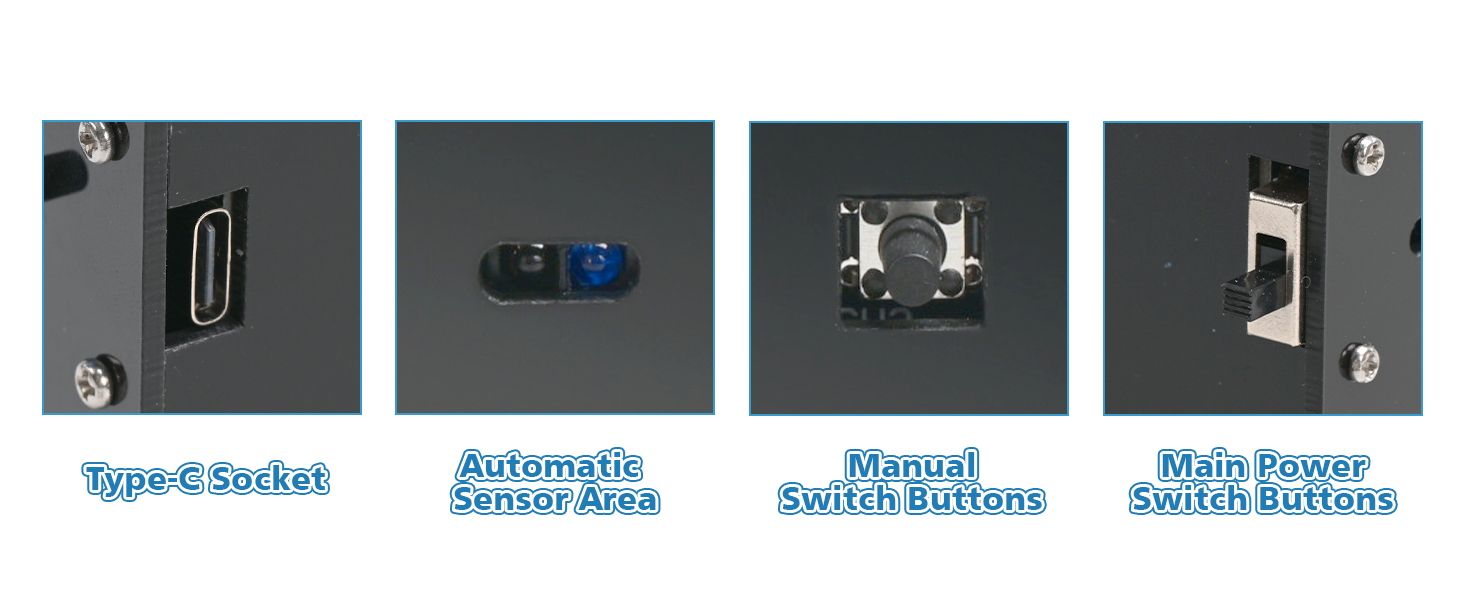
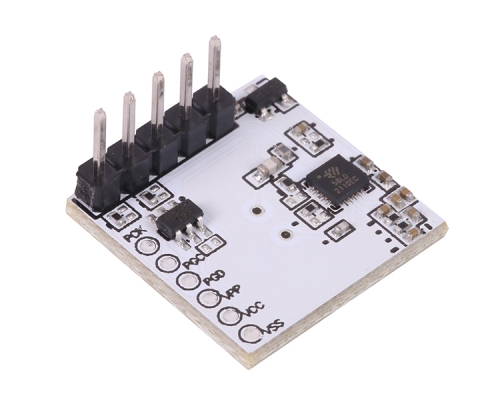
Automatic Sensor Mode: In automatic mode, the lid opens instantly when a hand enters the detection zone—no physical contact required. This hands-free operation is driven by photoelectric sensor that detects objects based on the photoelectric effect. The system then activates a small motor to open the lid,demonstrating a complete input-sensing → signal processing → output-actuation cycle commonly found in real-world smart devices.
Manual Switch Mode: In manual mode, users can directly control the lid’s movement using a physical toggle switch on the circuit board. Flipping the switch sends a direct electrical signal to the motor, bypassing the sensor logic entirely. This simple yet effective setup illustrates fundamental concepts of manual user input, switch-based control, and direct actuator driving—core principles in basic electronics and embedded systems design.
Safety Power Management System: The device features a main power switch. When turned off, the entire unit is de-energized—neither the sensor nor the manual switch can activate the model—ensuring safety during assembly or classroom use.
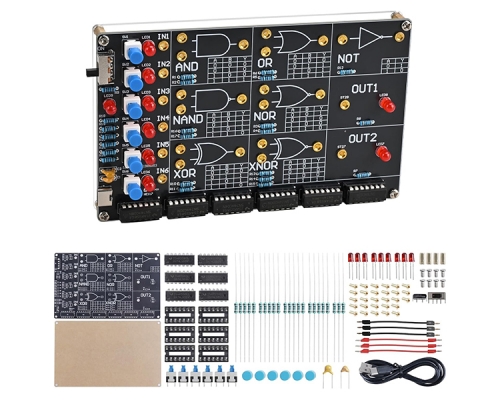
Includes Assembly Guide: Component positions and solder pads are clearly labeled on the PCB.Comes with a fully illustrated paper manual for easy, step-by-step soldering assembly. If the device does not operate after correct assembly, please contact customer support for technical assistance.
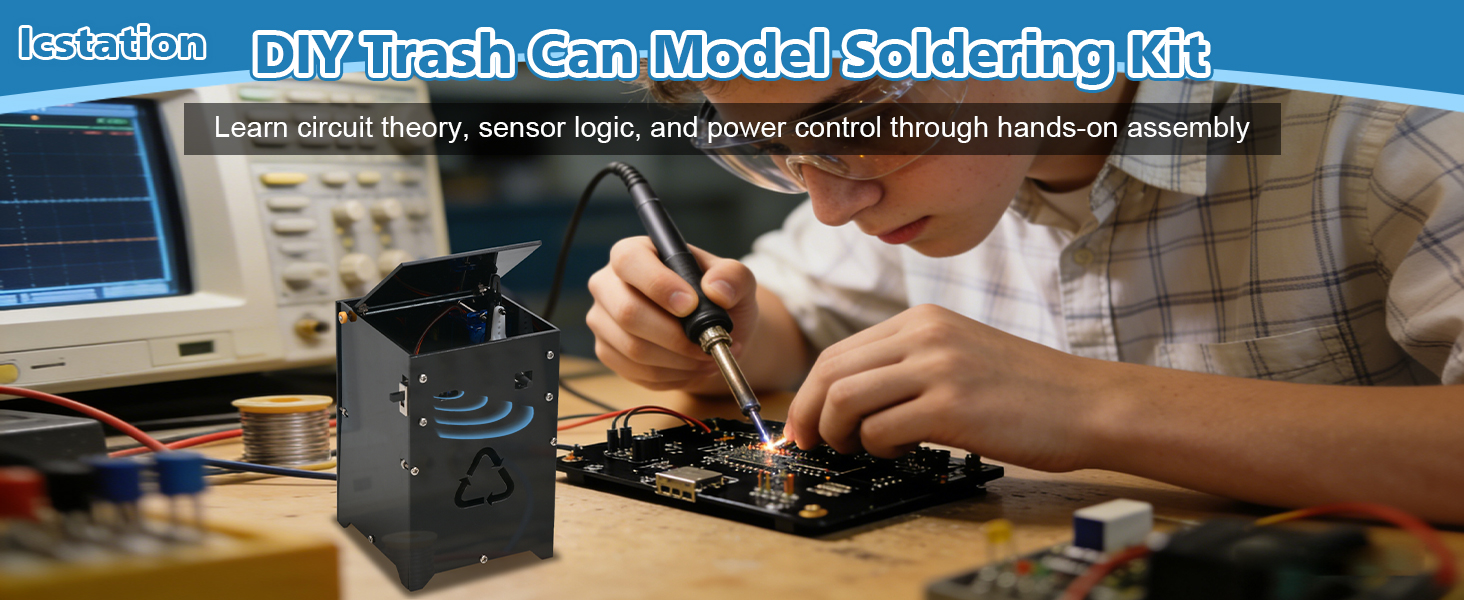
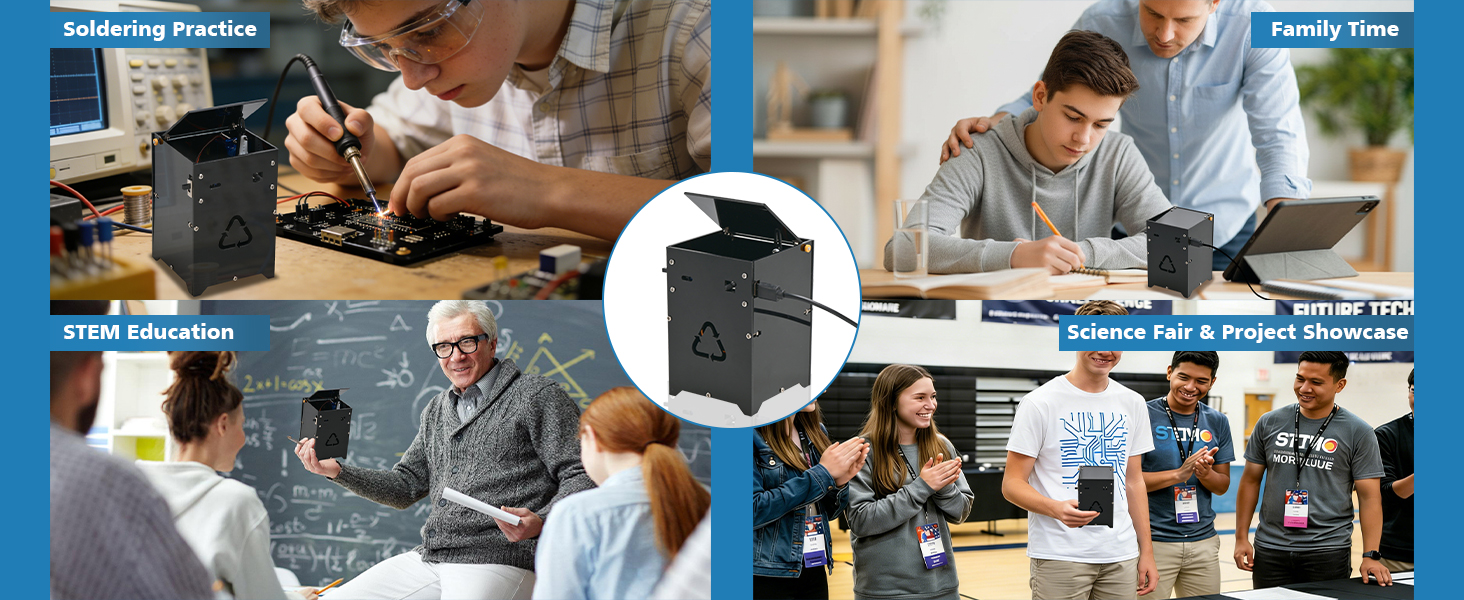
Soldering & STEM Learning Model: This DIY electronics kit requires the user to solder and assemble all components. The completed unit is a functional smart trash can teaching model and comes with a USB Type-C cable. It is not intended for actual waste disposal. Through the assembly process, users can practice basic soldering, learn circuit construction, identify electronic components, and understand the working principle of photoelectric sensors. Suitable for school lab courses, STEM projects, and home-based electronics practice.